
Key Takeaways
- Only about 32% of the 500 U.S. revenue leaders in Salesloft's 2026 benchmark can instantly diagnose why a deal stalled, and 41% say they are slow to find the cause or lack visibility.
- An estimated 19.7% of pipeline is affected by stalled deals, slipped close dates and other execution breakdowns.
- 84% of leaders capture loss reasons often or always, yet 55.6% say that data rests mostly on subjective seller reporting.
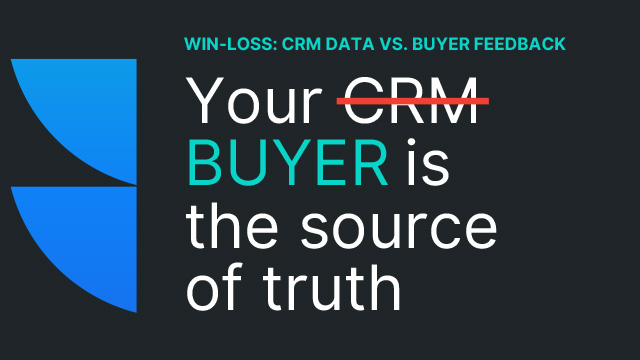
- In Clozd's comparison of 1,000 closed-lost deals, CRM loss reasons matched the buyer's own account just 15% of the time.
Most pipeline reviews run on the same ritual. A deal slips a quarter, the manager asks what happened, and the rep supplies a reason that goes into a CRM field and then into the forecast narrative. New benchmark data suggests that for most organizations the ritual produces a record, not an explanation, and the gap between the two is where revenue quietly leaks.
Seeing the Slip, Missing the Cause
Salesloft's 2026 U.S. Revenue Benchmark, published September 2 and based on 500 sales and revenue decision-makers, put a number on it. Roughly 32% of leaders can instantly diagnose why a deal stalled. Another 41% describe themselves as slow to identify the cause or short on visibility, and 27% can see wins and losses but cannot explain the movement between stages. The report estimates that 19.7% of pipeline is affected by stalled deals, slipped close dates and similar execution breakdowns.
That is a large share of the number a CRO is asked to commit to each quarter. It also arrives alongside pressure: 68.4% of leaders said pipeline quotas rose this year, and average quota attainment sits near 62%. The top 10% of sellers generate 47.4% of closed-won revenue, which means the diagnosis gap is not spread evenly. A few people know how deals actually move, and the rest of the system cannot see what they see.
When the Loss Reason Is an Opinion
It would be easier to dismiss this if teams were not already collecting the data. According to the MarketScale write-up of the same report, 84% of leaders say they capture loss reasons often or always. But 55.6% also say that loss data is based mostly on subjective seller reporting, and 37.6% name CRM updates as their biggest administrative bottleneck. The field is filled in. Whether it is true is a separate question.
Vendor research points the same direction. Clozd, a win-loss specialist, compared CRM records with buyer interviews on 1,000 closed-lost deals and found the reasons aligned only 15% of the time. Nearly seven in ten records named the wrong competitor, and 44% of the logged reasons described an outcome rather than a cause. The study dates from 2023 and comes from a company that sells the remedy, so treat the exact figures with care. The direction is consistent with what Salesloft's respondents admit about their own data.
Why AI Will Not Fix It Alone
Every organization in the Salesloft sample uses AI somewhere in its revenue process, but only 20.6% describe their deployment as production-ready with measurable outcomes. Another 28.2% are still experimenting. Pointing a model at a CRM full of reps' summaries does not create insight, it automates the summary. The Sirocco Group's readout of the benchmark frames the distance between seeing a deal slip and understanding why as the strongest operational lever in the data.
Coaching shows the same blind spot. While 56% of leaders say sellers are coached at least every two weeks, 89% believe managers assess seller performance objectively. If a third of leaders cannot explain a stall, and over half rely on seller-reported loss data, that confidence deserves a check.
The CRO Playbook for Diagnosing Stalls
- Measure your own diagnosis gap. Pull ten stalled deals and ask the manager for the cause with evidence. Count how many answers rest on anything besides the rep's word.
- Add a stall reason that is not free text. Require a structured cause (buyer priority change, missing stakeholder, paperwork delay, pricing approval) the moment a close date moves, not at quarter end.
- Audit loss data against the buyer. Interview a sample of lost deals through a neutral party and compare the result with the CRM reason before redesigning anything.
- Review velocity by stage, not just stage counts. Time in stage shows where deals wait, and waiting on quotes, contracts or approvals is usually fixable with process.
- Study the top 10%. With 47.4% of closed-won revenue concentrated there, find out what those sellers do when a deal stalls and turn it into a repeatable motion.
- Hold AI to a measurable standard. Do not expand a forecasting or deal-scoring tool until it can name stall causes that a manager can verify against buyer evidence.
Deals will always slip. What separates strong revenue organizations is how fast they can say why, and whether the answer comes from the buyer or only from the seller. The leaders who close that gap first will forecast on evidence while their peers are still forecasting on memory.